
Class 1 Learning for Kids – Subjects, Lessons and Activities
Introduction to Class 1 Learning
Class 1 learning helps children strengthen the basic academic and practical skills they need during the early primary years. Children can explore Mathematics, English, EVS, Science, General Knowledge, and Typing through simple topics, visual learning, practice activities, and step-by-step lessons. Regular learning at this stage supports number sense, language development, observation, curiosity, reasoning, communication, and basic digital skills while helping children become more confident independent learners.
Class 1 Subjects
Choose a Class 1 Subject
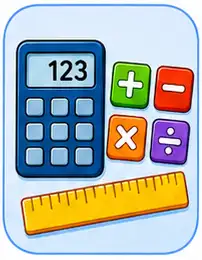
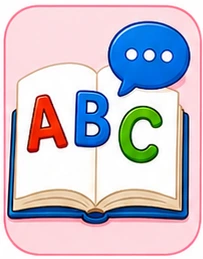
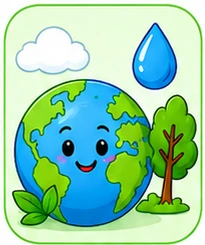
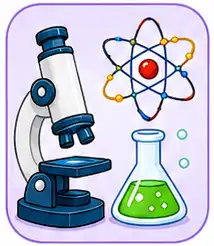
Explore important Class 1 subjects and learning areas. Children can choose a subject, learn concepts gradually, and build confidence through simple lessons and practice activities.
Class 1 Mathematics Topics
Start Learning Step by Step
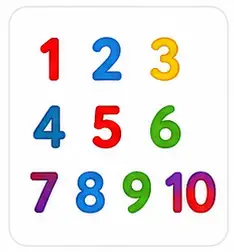
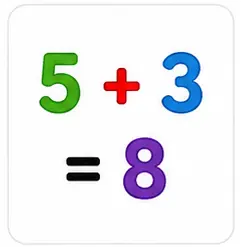
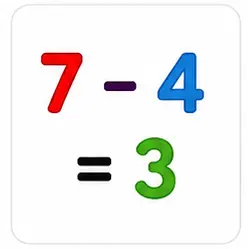
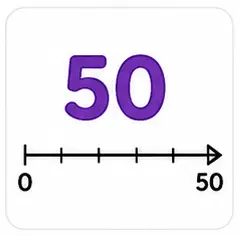
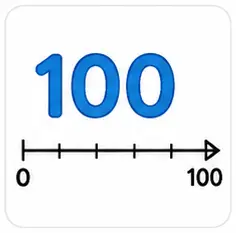
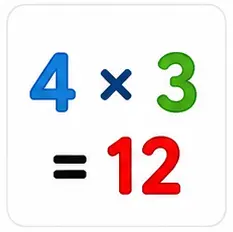
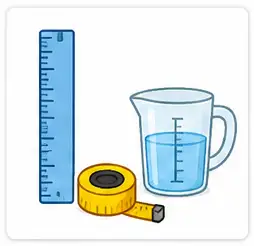
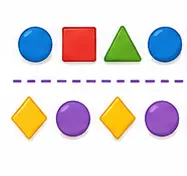
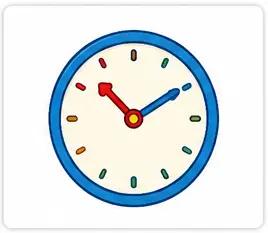
Follow the Class 1 Mathematics learning path from early comparison skills and number readiness to counting, basic operations, measurement, shapes, patterns, time, and money.

Popular Activities
Practice with Fun Learning Tools
Practice activities can help children revise concepts in different ways. Use mathematics practice, quizzes, flashcards, and typing activities to support regular Class 1 learning.
Class 1 Learning Builds Strong Basics
Class 1 is an important stage for developing foundational school skills. Through Mathematics, language learning, environmental awareness, science, general knowledge, and basic digital practice, children begin connecting classroom ideas with the world around them.
Start Class 1 Mathematics
What Children Can Learn in Class 1
Class 1 learning develops a broad set of foundational academic and practical skills. Children gradually build confidence by working with simple concepts, familiar examples, visual activities, and regular practice.
- Develop number sense, counting, comparison, and early calculation skills.
- Build English vocabulary, reading, sentence, grammar, and communication skills.
- Explore family, surroundings, plants, animals, environment, and everyday life through EVS.
- Develop curiosity through simple science ideas and observations.
- Improve general awareness through age-appropriate GK topics and questions.
- Become familiar with keyboard letters and simple typing practice.
- Strengthen observation, memory, reasoning, communication, and problem-solving skills.
Class 1 Learning Path
Children do not need to learn every subject at the same speed. A balanced Class 1 learning routine can combine Mathematics and language practice with EVS, Science, GK, creative activities, and basic computer skills. Short and regular sessions usually work better for young learners than long study periods.
Mathematics can be a useful place to begin because it develops comparison, counting, number sense, patterns, and simple problem-solving. Children can then continue learning across other subjects while revisiting earlier concepts regularly.
Start Class 1 Mathematics with Pre-Number Concepts
Pre-number concepts help children understand important relationships before formal number learning. They include ideas such as bigger and smaller, heavier and lighter, longer and shorter, taller and shorter, far and near, on and under, and more and less.
After developing these comparison and observation skills, children can move to numbers from 1 to 10, addition, subtraction, larger numbers, multiplication basics, measurement, shapes, patterns, time, and money.
Explore Pre-Number ConceptsHow Parents Can Support Class 1 Learning at Home
Parents can support Class 1 learning by connecting school topics with familiar daily activities. Practice does not always need worksheets or long study sessions; simple conversations, games, reading, counting, and observation can also strengthen learning.
- Read short stories and ask children to explain what happened.
- Count toys, books, fruits, steps, or household objects.
- Compare objects by size, length, height, weight, and quantity.
- Talk about plants, animals, weather, family, and the local environment.
- Ask simple age-appropriate general knowledge questions.
- Practise recognising letters and words on a keyboard.
- Encourage children to ask questions and explain their answers.
Keep learning positive and age-appropriate. Regular short activities can help children remember concepts and become more comfortable using what they learn.
Start Your Class 1 Learning Journey
Begin with Class 1 Mathematics and build a strong foundation through comparison, numbers, counting, basic operations, shapes, measurement, time, and money. Other Class 1 subjects and activities can be added gradually as children develop confidence.
Explore Class 1 MathematicsHelpful Learning Resources
These trusted educational resources provide additional information about school education, foundational learning, numeracy, and early childhood development.
Official educational resources supporting school curriculum, textbooks, teaching, and learning for children across India.
NIPUN BharatNational initiative supporting foundational literacy, numeracy, and early primary learning across India.
UNICEFGlobal guidance supporting early childhood education, development, and child-friendly learning practices.
Class 1 Learning Questions for Parents
These common questions can help parents understand the Class 1 learning journey and support children with regular school and home practice.