
Class 1 Mathematics – Easy Math Lessons and Practice
Introduction to Class 1 Mathematics
Class 1 Mathematics helps children build a strong foundation in early math through simple explanations, visual learning, and step-by-step practice. Children begin with pre-number concepts and then develop number sense through numbers, counting, addition, subtraction, multiplication basics, measurement, shapes and patterns, time, and money. These topics strengthen comparison, observation, calculation, reasoning, and everyday problem-solving skills while preparing learners for more advanced mathematics.
Mathematics Topics
Choose a Class 1 Math Topic
Explore Class 1 Mathematics topics in a simple learning order. Children can begin with comparison and pre-number skills, develop number understanding, practise basic operations, and then explore measurement, shapes, patterns, time, and money.

Class 1 Mathematics Builds Number Confidence
Early mathematics is about more than remembering numbers. Children learn to compare, count, recognise patterns, understand quantities, solve simple operations, measure objects, identify shapes, read basic time, and understand money. Learning these ideas gradually helps children become more confident with mathematics.
Start Pre-Number Concepts
What Children Will Learn in Class 1 Mathematics
Class 1 Mathematics introduces important early skills that children use throughout primary school. Lessons move from simple observation and comparison to numbers, operations, measurement, shapes, time, and money.
- Compare size, weight, length, height, position, distance, and quantity.
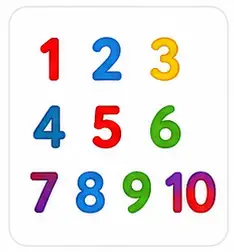
- Recognise, read, count, and work with numbers from 1 to 100.
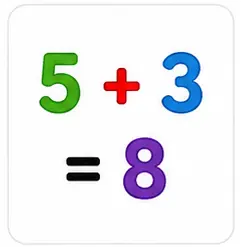
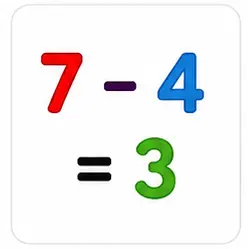
- Understand simple addition and subtraction up to 10.
- Develop an early understanding of multiplication through groups and repeated counting.
- Compare and describe basic measurements such as length, height, weight, and capacity.
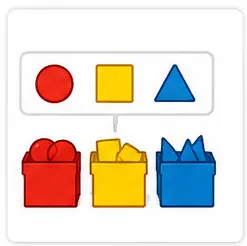
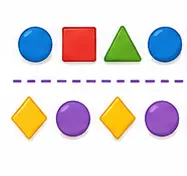
- Recognise common shapes and continue simple patterns.
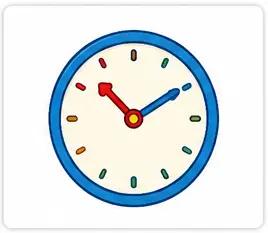
- Develop basic understanding of clocks, daily time, and routines.
- Recognise money and understand simple everyday uses of coins and notes.
- Build observation, reasoning, number sense, and problem-solving confidence.
Best Starting Point for Class 1 Mathematics
A useful starting point is Pre-Number Concepts for Class 1. Before working formally with numbers, children benefit from understanding how objects relate to one another through ideas such as bigger and smaller, heavier and lighter, longer and shorter, taller and shorter, far and near, on and under, and more and less.
These comparison skills help children develop the observation and mathematical vocabulary they will use later while learning numbers, ordering, measurement, addition, and subtraction.
Explore Pre-Number ConceptsRecommended Class 1 Mathematics Learning Order
Children can follow this learning path gradually. The order begins with comparison and number readiness, moves into basic number operations, and then introduces practical mathematics topics.
Why Class 1 Mathematics Is Important
Class 1 is an important stage for developing number sense and mathematical thinking. Children begin connecting numbers and comparison words with real objects, pictures, groups, shapes, measurements, time, and everyday situations.
A strong early foundation can make later mathematics easier to understand because children are not only learning answers; they are learning how to observe, compare, count, recognise relationships, and solve simple problems.
How Parents Can Support Class 1 Mathematics at Home
Everyday activities can provide useful mathematics practice without requiring long study sessions. Parents can encourage children to count, compare, sort, calculate, measure, and recognise mathematical ideas in familiar situations.
- Count toys, fruits, books, steps, or other familiar objects.
- Compare household objects using bigger, smaller, heavier, lighter, longer, and shorter.
- Use small groups of objects to practise simple addition and subtraction.
- Find circles, squares, rectangles, and triangles around the home.
- Compare the length or height of safe everyday objects.
- Talk about morning, afternoon, evening, clocks, and daily routines.
- Use play money or supervised real coins and notes to introduce money concepts.
- Ask children to explain how they found an answer instead of focusing only on the final answer.
Short and regular practice works well for young children. Keep activities visual, practical, and connected to situations they already understand.
Start Learning Class 1 Mathematics
Begin with Pre-Number Concepts to develop comparison, observation, position, distance, and quantity skills. After children become comfortable with these ideas, they can continue to numbers and basic mathematical operations step by step.
Start Pre-Number ConceptsHelpful Mathematics Resources
These trusted educational resources provide additional information about foundational numeracy, school learning, and early childhood education.
Official educational resources supporting school learning, curriculum materials, and foundational mathematics for children across India.
NIPUN BharatNational initiative supporting foundational literacy, numeracy, and early primary learning across India.
UNICEFGlobal guidance supporting early childhood education, development, and child-friendly learning practices.
Class 1 Mathematics Questions for Parents
These common questions can help parents and teachers understand the Class 1 Mathematics learning path and support children with early math practice.