
Pre-Number Concepts for Class 1 – Easy Math Learning
Introduction to Pre-Number Concepts for Class 1
Pre-number concepts for Class 1 help children understand important early mathematics ideas before formal number learning. Through simple examples and visual comparisons, children learn bigger and smaller, heavier and lighter, longer and shorter, taller and shorter, tallest and shortest, thicker and thinner, far and near, on and under, and more and less. These lessons develop observation, comparison, vocabulary, position, distance, quantity, and early mathematical reasoning skills while preparing children for counting, ordering, measurement, and number work. After learning the individual concepts, children can revise them together with the Pre-Number Concepts Quiz.
Start Here
Choose a Pre-Number Lesson
Explore Class 1 pre-number lessons covering size, weight, length, height, thickness, position, distance, and quantity. Children can learn each concept step by step and then test their understanding with the Pre-Number Concepts Quiz.
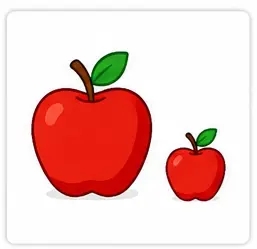
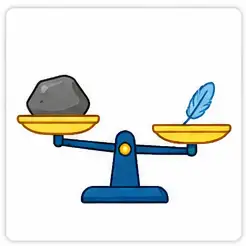
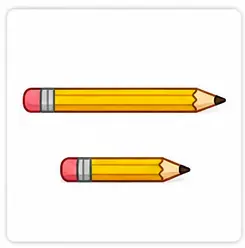
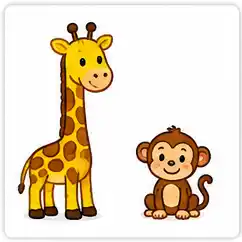
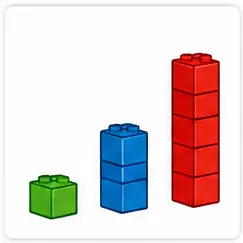
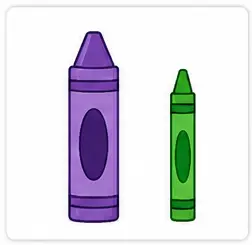
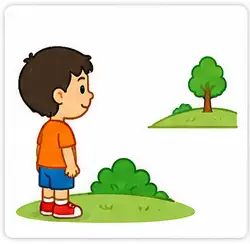
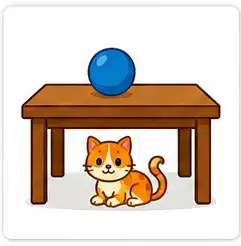

Pre-Number Concepts Build Math Readiness
Pre-number concepts help children compare objects and understand simple mathematical relationships before formal counting and number operations. These skills prepare learners for numbers, ordering, measurement, addition, subtraction, and other Class 1 mathematics topics.
Start Bigger and Smaller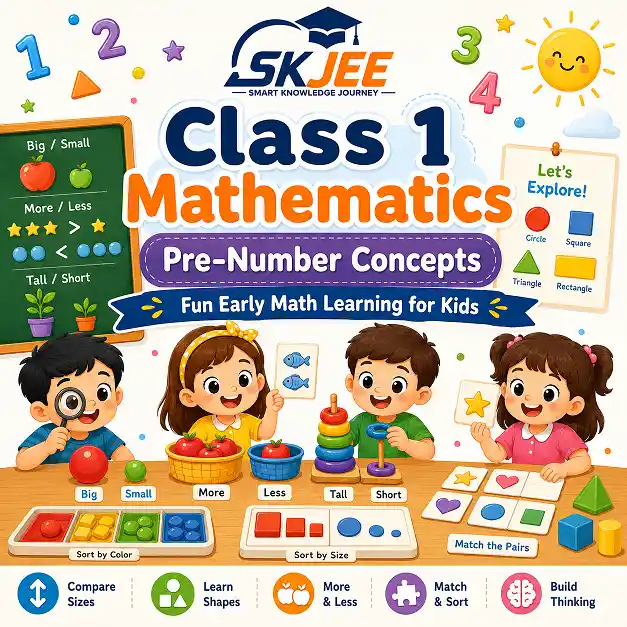
Why Pre-Number Concepts Are Important for Class 1
Before children work confidently with numbers, they need to understand simple relationships between objects. Pre-number learning helps them observe differences, compare features, understand position and distance, and recognise changes in quantity.
These early experiences make mathematical language more meaningful. Children begin to understand words such as bigger, smaller, heavier, lighter, longer, shorter, taller, tallest, shortest, near, far, more, and less by connecting the words with objects they can see and compare.
What Children Will Learn in Pre-Number Concepts
- Compare objects by overall size using bigger and smaller.
- Compare objects by weight using heavier and lighter.
- Recognise longer and shorter objects.
- Compare the height of two people or objects using taller and shorter.
- Identify the tallest and shortest item in a group of three or more.
- Recognise differences in thickness using thicker and thinner.
- Understand distance using far and near.
- Understand position words such as on and under.
- Compare groups of objects using more and less.
- Review different pre-number concepts through mixed quiz questions.
- Develop observation, comparison, vocabulary, and early mathematical reasoning skills.
Recommended Order for Learning Pre-Number Concepts
Children can learn these ideas gradually, beginning with clear visual comparisons and then moving to height, position, distance, quantity, and mixed practice.
Pre-Number Concepts Quiz for Class 1
After learning the individual concepts, children can practise mixed questions in the Pre-Number Concepts Quiz. The activity will help learners review size, weight, length, height, thickness, position, distance, and quantity in one place.
Questions can include identifying the biggest or smallest object, choosing the tallest or shortest item, finding what is on or under something, comparing near and far objects, and deciding which group has more or less.
This mixed practice can help children revise the concepts they have learned and prepare for classroom exercises, worksheets, assessments, and school-level practice questions.
Pre-Number Concepts QuizHow Parents Can Teach Pre-Number Concepts at Home
Parents can practise these concepts naturally with familiar household objects. Children learn more easily when they can look at, touch, move, and compare real objects while answering simple questions.
- Compare two books and ask which one is bigger.
- Hold two safe objects and discuss which one feels heavier.
- Compare two pencils and ask which one is longer.
- Compare two children, toys, or objects and ask which one is taller.
- Place three objects of different heights together and ask which one is tallest and which one is shortest.
- Compare two books or boxes and ask which one is thicker.
- Place a toy on or under a table and ask the child to describe its position.
- Place one object near and another farther away to practise near and far.
- Make two small groups of toys and ask which group has more or less.
- Ask mixed questions from different concepts to check what the child remembers.
Keep practice short, playful, and conversational. Encourage children to look carefully and explain what they notice instead of simply giving them the correct answer.
Start with Bigger and Smaller for Class 1
Bigger and Smaller is a useful first lesson because children can understand size comparison with familiar animals and everyday objects. The SKJEE interactive lesson includes picture examples, audio support, vocabulary, explanations, and practice questions.
Learn Bigger and SmallerHelpful Mathematics Resources
These trusted educational resources provide additional information about foundational numeracy, early mathematics, and child-friendly learning.
Official educational resources supporting school learning and foundational mathematics for children across India.
NIPUN BharatNational initiative supporting foundational literacy, numeracy, and early primary learning across India.
UNICEFGlobal guidance supporting early childhood education, development, and child-friendly learning practices.
Pre-Number Concepts for Class 1 Questions for Parents
These common questions can help parents and teachers understand how pre-number concepts support early Class 1 mathematics learning.